
PT. Hartono Raya Motor


The integral safety concept from Mercedes-Benz divides vehicle safety into four phases:
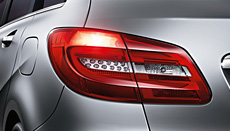
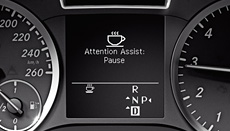
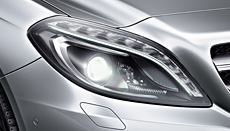
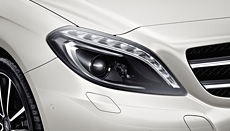
Phase 1: safe driving
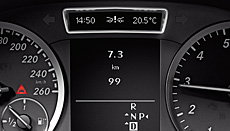
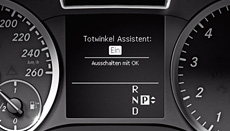
Phase 2: in critical situations
Phase 3: in an accident
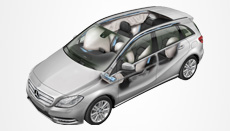
Phase 4: after an accident
- Better protection: the engine can be switched off automatically and the fuel supply can be cut off.
- Conspicuous lighting: the hazard warning lamps and the emergency interior lighting can be activated automatically in order to prevent consequential accidents and make it easier to find the accident vehicle.
- Good escape possibilities: the doors can be automatically unlocked.
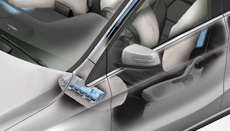
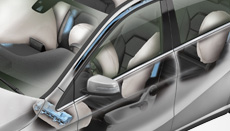
- Measure to aid rescue: integral crash joints between the wing and the door can make opening the doors after a frontal collision easier.
[1] Available only as part of the optional Lane Tracking package.
